
"coffee tree classification"
2000 article(s) found

Classification of coffee quality in Colombia
The world's second largest coffee producer after Brazil. Is the leader in the country that produces Colombian mild. The name of origin has become a well-known name for coffee, such as Medning, Manizarez, Bogota, Almenia and so on. Coffee beans are light green and large-grained, according to their unique thick flavor, whether they are pure coffee or mixed.
World boutique coffee beans: introduction to the classification of Zimbabwe ((Zimbabwe) Zimbabwe) coffee beans
Zimbabwe has been producing quality Arabica coffee since 100 years ago. But it was almost wiped out by insect pests around 1920. Since 1950, Zimbabwe has been equipped to produce quality coffee with the migration of coffee farmers from India and Kenya to Zimbabwe. The coffee-growing areas of Zimbabwe are mainly distributed in the northeast of the Chimanimani Mountains. The mountain range

How did Yemeni coffee come from? the origin and historical story of Yemeni coffee.
Professional coffee knowledge exchange more coffee bean information Please pay attention to the coffee workshop (Wechat official account cafe_style) the naming of Yemeni coffee so far there are no general guidelines, and there is no official grading system. Local residents have their own classification system, with hundreds of coffee codes and names for internal classification, but it is not suitable for commercial market (export) coffee.

Classification of Kenyan Coffee whether Jinchu Valley in Kenya is a manor or a producing area
Kenya is bordered to the north by Ethiopia, the origin of Arabica coffee trees, but it was not until the beginning of the 20th century that coffee cultivation began. In the 19th century, missionaries introduced Arabica trees from the leaves, but did not plant them in large quantities. It was not until 1893 that coffee was cultivated on a large scale because of the introduction of Brazil's ancient bourbon seeds. That is to say, Kenyan coffee is of Brazilian origin, because of water.

Introduction to the taste of story grinding scale of Latin American coffee beans
South American countries have switched to altitude classification, and only Colombia maintains this traditional classification system, which many Colombian coffee makers have recognized and have begun to demand a change in the classification system. Colombia's famous producing areas include Medellin, Armenia and Manisales, so the word MAM is sometimes seen on coffee bags.
What are the grades of coffee beans? national standard coffee bean rating standard
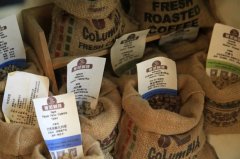
Explore the coffee classification system! Teach you to read the label on a coffee bag when we go to a coffee shop to buy a cup of coffee or coffee beans, we always see a series of words, which are interspersed with several initials, such as AA, G1, SHG, etc., which actually means that each country classifies coffee according to its characteristics. It is worth noting that in different producing countries, there will be different habits.

How many kinds of coffee beans are there? What is the classification and characteristics of coffee beans? The basics of coffee Coffee
Professional coffee knowledge exchange more coffee bean information please follow the coffee workshop (Wechat official account cafe_style) how many kinds of coffee beans? What is the classification and characteristics of coffee beans? The basic knowledge of coffee the classification of coffee beans? Generally speaking, coffee beans are classified mainly by bean species, country of production, and manors or regions produced. Bean seed, our daily life

Classification of Colombian Coffee the best coffee grade in Colombia-Supremo 18
For the exchange of professional baristas, please follow the coffee workshop (Wechat official account cafe_style) Colombian Coffee grading system: Colombian coffee is divided into three grades: Supremo, Excelso, Extra and so on. Supremo is the most advanced, followed by Extra, designed for commercial coffee buyers is Excelso, by Supremo and Extra

Description of characteristics and Flavor of Coffee beans in Latin America introduction of varieties produced by grinding scale
The characteristic flavor description of Latin American coffee beans, grinding scale production area variety introduction was once the second largest coffee producing country only in Brazil, but Colombia, which has been surpassed by Vietnam and ranked third in the world, is the largest supplier of washed beans in the world. Colombia has become synonymous with good coffee after years of image building. Although the flavor is balanced, the texture is thick and there is

SCA Arabica Coffee Raw Bean grading Manual _ how do Arabica coffee beans be graded?
Professional coffee knowledge exchange more coffee bean information please follow the coffee workshop (Wechat official account cafe_style) [the standard of SCAA Specialty Coffee fine coffee raw beans] the raw bean defects of SCAA can be divided into two categories: I and II. The requirement for boutique coffee grade (specialty coffee) is that there are no Class I defects and no more than 5 II classes are missing.
The classification of Colombian boutique coffee Colombian coffee characteristics Colombian coffee taste brother
According to the classification of defective beans, defective beans can be divided into two types:-first: called first-class defects-second: called second-level defects. First: main defects (defects that affect the taste characteristics of coffee): black beans. Private exporters of moldy beans or sour beans: no more than 12 national coffee committees: no more than 8 first-level defective beans, second: secondary defects

Classification and causes of coffee defective beans all black beans SCAA grade worm-eaten beans
Boutique coffee is fresh coffee. Whether it's food or drink, of course, the fresh the better, and so is boutique coffee. High-quality coffee should keep the coffee beans fresh before making, including the preservation of baked beans, and grind the coffee beans into powder before making, which is also to retain its original and best flavor. And the way of making hand-made coffee is such a way to make high-quality coffee.

Taste characteristics of Brazilian yellow bourbon coffee beans taste classification flavor description introduction of varieties in manor producing areas
Taste characteristics of Brazilian yellow bourbon coffee beans taste classification flavor description the present situation of variety introduction coffee in the manor producing area has been naturally favoured and has been cultivated in new places inland. Panama became famous as a new coffee producing place in Brazil after the war, and because its natural conditions are not superior, it is still inferior in quality compared with that produced in Sao Paulo. Now in the northern part of Sao Paulo
Classification and causes of defective beans in SCAA Coffee SCAA level: Italian mixed beans with secondary defects
CAA level: whole sour bean is a first-level defect; one whole sour bean = a complete defect name: local sour bean SCAA level: local sour bean is a secondary defect; less than half of a bean is sour bean, 3 beans = 1 complete defect cause: agriculture and treatment. Sour beans are caused by fermentation, and they are contaminated by microorganisms in many places in the process of harvest and treatment.

African coffee production in which countries the best of the world's three major coffee producing African coffee beans produced
Professional coffee knowledge exchange More coffee bean information Please pay attention to coffee workshop (Weixin Official Accounts cafe_style) Appreciation coffee trees from all over the world are a genus of Rubiaceae in botany. Coffee trees are native to subtropical Africa and some islands in southern Asia. In the 16th and 17th centuries, the Dutch bought through Venetian merchants and maritime hegemony.
Coffee defect rate refers to what coffee beans how to choose good? The basis for coffee bean grading and classification
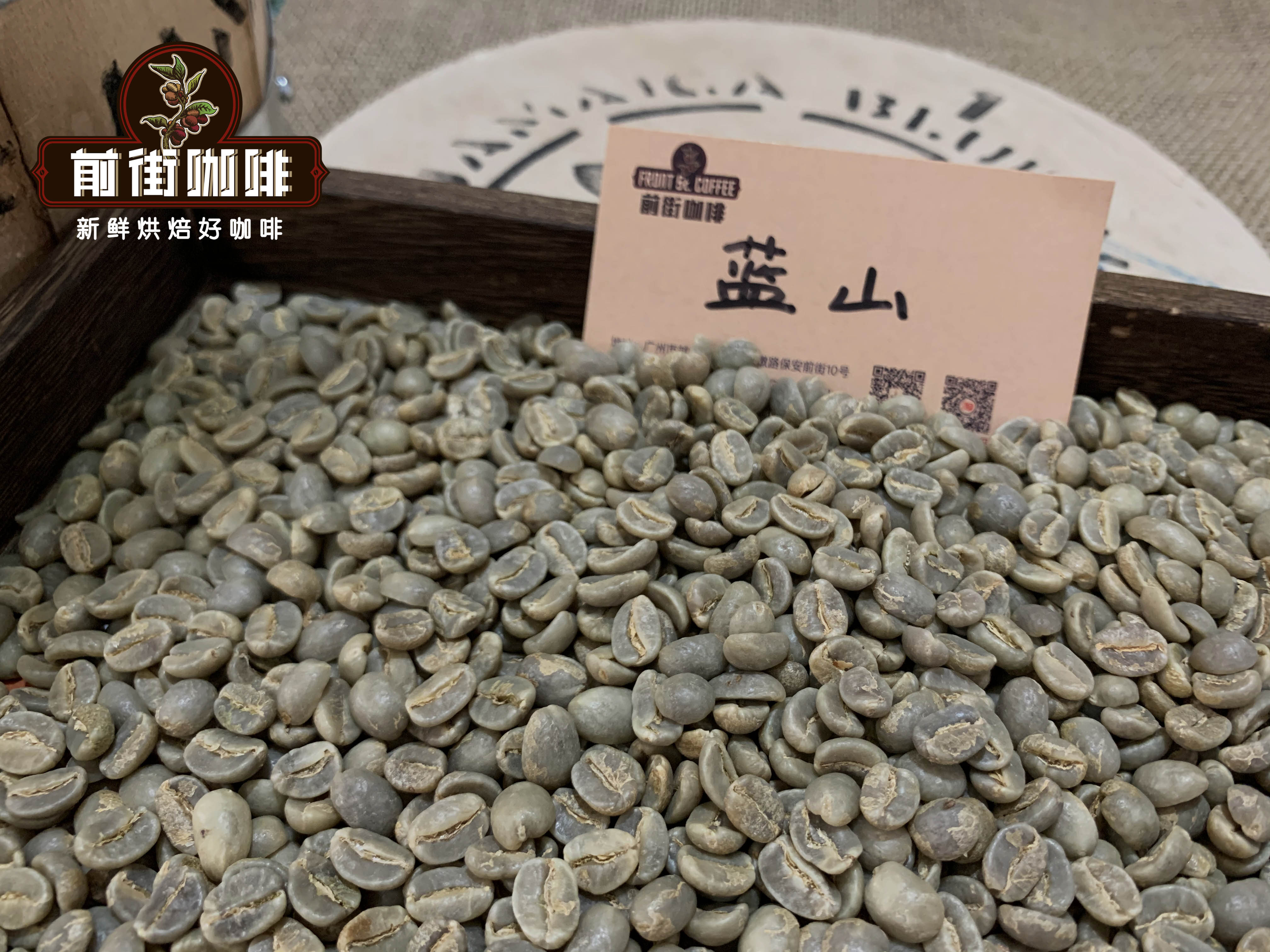
How to choose coffee beans? When picking green beans, you can use a commercially available picking tray, or use a blue or black tray. The obvious color contrast makes it easier for the human eye to recognize the blemish characteristics of green beans. Before picking beans, we must first decide the priority of picking, which can speed up efficiency. It is suggested that the inspection order is to remove foreign bodies and black beans with obviously different colors first, and then dull ones.
Variety classification of high-quality coffee beans and knowledge coffee
Coffee beans (Coffee Bean) can be divided into three types, namely Arabica-coffee contains caffeine of about 1% per cent by weight. Generally speaking, the better quality and more expensive coffee beans come from coffee beans grown by Elaraby. It accounts for 3/4 of the world's output and is of good quality, because the coffee tree itself is sensitive to heat and humidity.

Classification, price, raw beans and roasting of TOP pearl round beans PB boutique coffee beans in Kaili, Kenya
For professional baristas, please follow the profile of the coffee workshop (official Wechat account cafe_style): this raw bean comes from the Chakney processing plant in Neri and comes from the surrounding family farm. About 2023 coffee trees have been planted on 0.5 acre (about 250 square meters) of land. Neri has always been a classic coffee producing area in Kenya. Relying on Mount Kenya, it has advantages suitable for coffee growth.

What is the flavor and taste of 90+Techembe Clinique coffee? What is the system for grading 90 + coffee? What is it?
Professional coffee knowledge exchange more coffee bean information please follow the coffee workshop (Wechat official account cafe_style) 90 + Techembe Clinique coffee flavor and taste? What is the system for grading 90 + coffee? Is there any unique way to deal with it? 90 + boutique coffee Techembe Clinique comes from Tchembe named after the variety Bolo of Haricho and Amaro Mountain.

Introduction to the classification of coffee varieties and the characteristics of coffee variety distribution
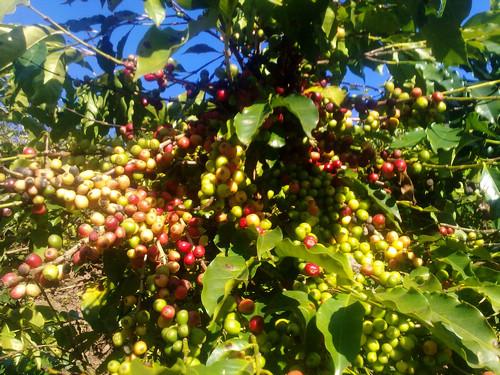
Coffee tree is a flowering plant of the genus Coffea of Rubiaceae. At present, there are about 120 species, ranging from small shrubs to 18-meter-tall trees. Wild coffee species grow irregularly in the tropics, and new species are still being discovered. Strictly speaking, there are only two major species of coffee that are cultivated to produce coffee: Arabica coffee (Arabica) and Canifra.